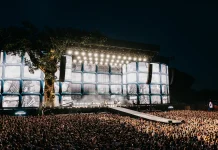



It’s the day of your event. Everything has been prepared down to the last detail: the chairs are set up, the catering smells amazing, and the badges are neatly sorted and ready for pick-up. And yet… in the end: one in three seats remains empty.
It feels like a waste of effort and money. And, let’s be honest, a waste for the environment, too.
But are no-shows really that bad? How can you make the best out of it when they do happen? What if you could use data on both attendees and non-attendees to make your future events even better? We discussed this with three event managers from various universities: let’s dive in!
First up: No-shows – are they really that bad?
No-shows are people who register for an event (or appointment) but that do not show up in the end, without any form of cancellation. There is no fixed standard for what is a ‘good’ or ‘bad’ no-show rate: it depends heavily on the type of event you are organising.
If you organise an event that requires active interaction among participants, like forums or co-creation sessions, having a sufficient number of attendees is important for a productive discussion. If turnout is too low, it can then undermine the event’s objective. For larger events, a higher no-show rate is often less problematic. You only really need to be concerned if visitor numbers are consistently low and the venue ‘feels’ noticeably quiet.
In the end, what matters is that you set your event goal and keep your top KPIs in mind while designing your event. This also provides input for your event format. Is knowledge sharing important and do you want as many people to gain new knowledge about a certain topic? Then you might want as many attendees, and would prefer an online format to make it as easily accessible as possible. Are you organising a commercial event for more sales? Then an offline event might present more no-shows, but the people that will be there might be more engaged due to the live atmosphere, which can increase the conversion percentage compared to an online event.
Aiming for a zero percent no-show rate sounds ideal, but it is unrealistic; there will always be participants who are unable to attend due to unforeseen circumstances.
7 tips on dealing with no-shows upfront
- Ask your audience what they actually want. Sounds obvious? It probably is. But programmes tend to get built around what the organisation wants to say and which speakers or partners are joining, and the audience is consulted afterwards, in the evaluation survey, when it is too late to change anything. Ask what people are hoping to take away, which topics they are wrestling with, which format they prefer. You do not need a full research project, and you should say up front that you cannot act on everything. But people show up for events that were shaped by their own input, partly because the value is obvious to them, and partly because they helped build it. A poll, a question in the online registration form or a few conversations can do the trick.
- Plan with no-shows in mind. Based on your earlier events, you can plan with no-shows in mind and thus fill more seats than you might have calculated upfront. You can benchmark this against your own previous events or use industry-wide benchmarks. Keep general directions in mind: e.g. paid events often have far fewer no-shows than free events.
- Be clear in your communication and set expectations. Details like location, arrival and workshop times, and directions (by car, public transport, or otherwise) should be as clear as possible. The event website and e-mail communication before the event plays a big role here. Adding a map widget to your own site is a plus. You can also communicate expectations: When registering or in the confirmation email, mention that you are counting on the participants’ attendance and that it is important to cancel if someone is unable to attend after all. And mention why; for instance if it is for environmental reasons.
- Make cancelling as easy as possible and use waiting lists. People might find it difficult or impossible to figure out how to cancel or perhaps it creates a huge barrier to do so. Chances are you would actually prefer them to cancel. If a no-show happens, it is great if you can fill that spot right away by another interested participant that wasn’t able to join earlier.
- Set (automated) reminders. We can all be forgetful and forget something, so let’s aim for well-timed reminders so that people won’t forget your event.
- Avoid friction. An attendee that can’t find their ticket? Being unable to find a ticket can be demotivating, after all, you don’t want to be faced with a ‘closed door’. E-mail tickets again the night before and/or make it easier for people to store it in their Google or Apple wallet.
On the day: 3 tips for wasting less (of what you’ve already paid for)
Some of your no-show cost is locked in weeks earlier, but a surprising amount of it is decided in the final forty-eight hours.
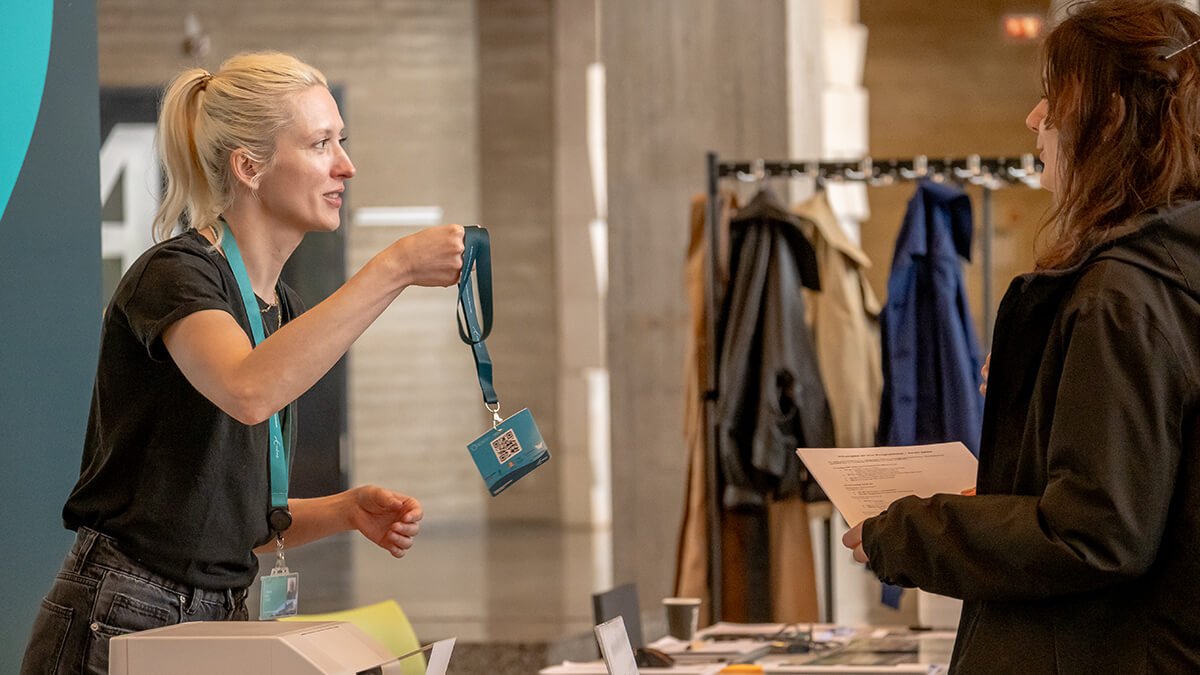
- Print badges on arrival instead of the night before – or digitise the check-in. No more stacks of badges for people who never came, and you get to correct a misspelt name on the spot and register walk-ins too. This avoids a lot of paper-waste. You can also consider mobile check-in. If you do not need printed badges at all, scanning a QR code at the door removes the paper, the ink and the queue in one go.
- Agree to a late catering deadline. Ask your venue or caterer how late they can accept final numbers, and then use every hour of that. Order to your realistic attendance figure, not your registration figure. It might not save money; but it might be the best for the environment anyway.
- Decide in advance where surplus food goes. Arrange the donation before the event, not while the room is being cleared. It takes one phone call and it turns waste into something you can report on and that is helpful to others.
Dealing with no-shows after the event
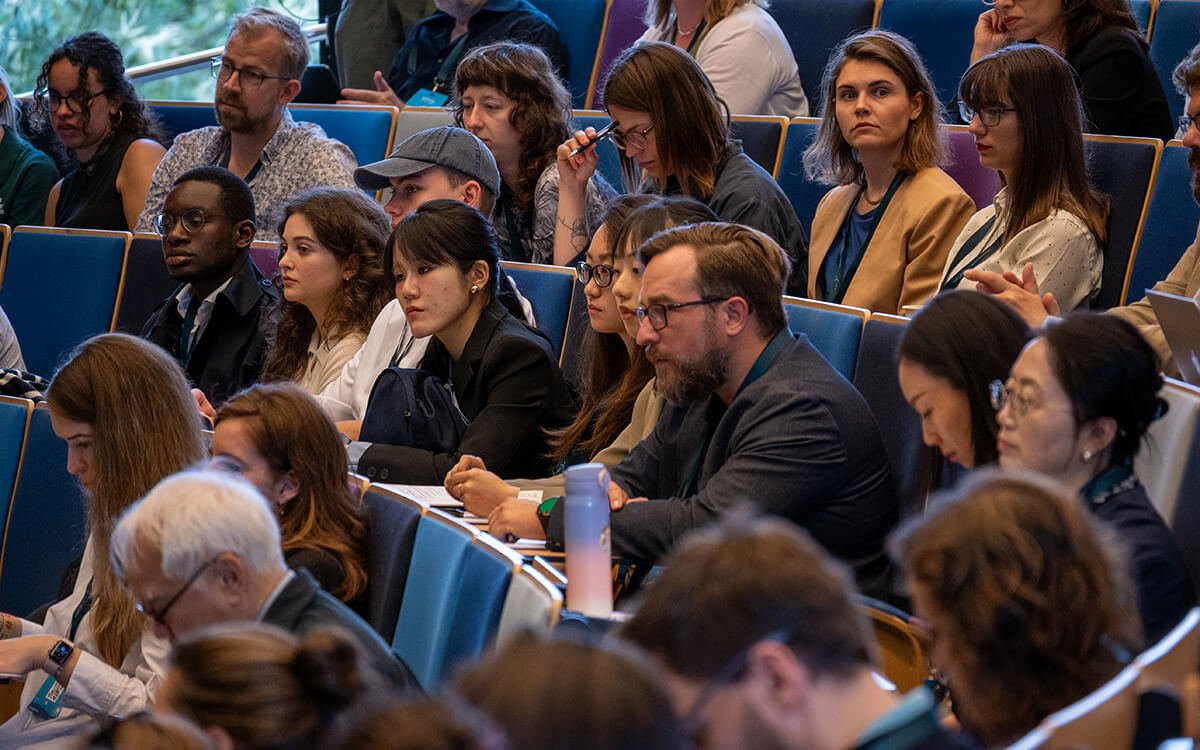
The event day is over. But the no-shows and attendees at your event are still a goldmine for information. Three things you want to keep in mind.
- Analyse who attended and who didn’t. Review who showed up and who didn’t. Look at the target audience, time of registration, and event type. This allows you to identify trends and adjust your communication accordingly. Use your check-in data for instance and analyse it by target audience, job role, and registration type.
- Segment your follow-up communication: use a different message for no-shows than for attendees. You can also address participants differently based on their specific interests. Personalisation is key. Perhaps you want to re-engage no-shows or gather their input, whereas with attendees, you might want to thank them, provide deeper insights, or keep them warm for a future event. For example, send no-shows the recording along with an invitation to something new. Attendees could receive a summary combined with a survey. Personalised and relevant communication almost always works best.
- Use the data for your next event. Review what worked and what didn’t (e.g. subjects, location, speakers). Every event yields insights. Use them to make your next event even better. Event software can be key to extracting these insights. Specifically examine those who registered but didn’t show up. By analysing this group separately or actively seeking their feedback, you gain a better understanding of what didn’t work for them and where you can make adjustments for future events. Some event managers also want to view specific data – relevant for their own organisation – such as metrics broken down by department or event type. Use custom properties, essentially your own specific data points, in advance to generate reports based on this information. Combine this with survey results and attendance data to create a comprehensive overview that offers a lot of insights.
So, is there an acceptable no-show rate?
Yes, and it is almost certainly not zero. An organiser who knows a quarter of their registrations will not turn up, and who has planned the seating, the catering and the follow-up around that, is in a far stronger position than one still hoping for a full room. It’s all about the details. It helps when you have the right software and tools to automate, streamline and reduce time spent on your overall event flow.
These insights came out of a webinar we ran with event professionals at aanmelder.nl. Want to put these tips into practice? aanmelder.nl handles registration, reminders, waitlists and check-in in one platform – and much more. Try it free for 30 days or book a demo.
Sponsored content

Author: Elouise Mugridge
Elouise Mugridge is Group Sales Manager at Event Industry News. With over 14 years’ experience spanning conferences, exhibitions, festivals, and corporate events, she helps brands connect with event professionals through strategic sales and marketing campaigns. Passionate about event technology and industry innovation, Elouise specialises in creating opportunities that raise visibility and build meaningful connections.