


Last year, Forestry England recorded 285 million visits across its woodlands. To put that into perspective, that’s like processing the entire UK population four times over.
Forestry England began life purely as the nation’s largest land manager, responsible for conserving and maintaining more than 1,500 woods and forests across England.
Over time, its mission evolved from just stewarding landscapes to actively drawing people to enjoy them.
Today, the Forestry Commission uses events as a way to connect the public with nature and generate vital conservation funding.
Across their diverse calendar, Forestry England hosts everything from walking trails, everyday nature experiences to flagship cultural events.It started with the launch of Forest Live in 2001, a summer concert series in partnership with Live Nation hosting names like Sting, Nile Rodgers & CHIC, Stereophonics and many more.
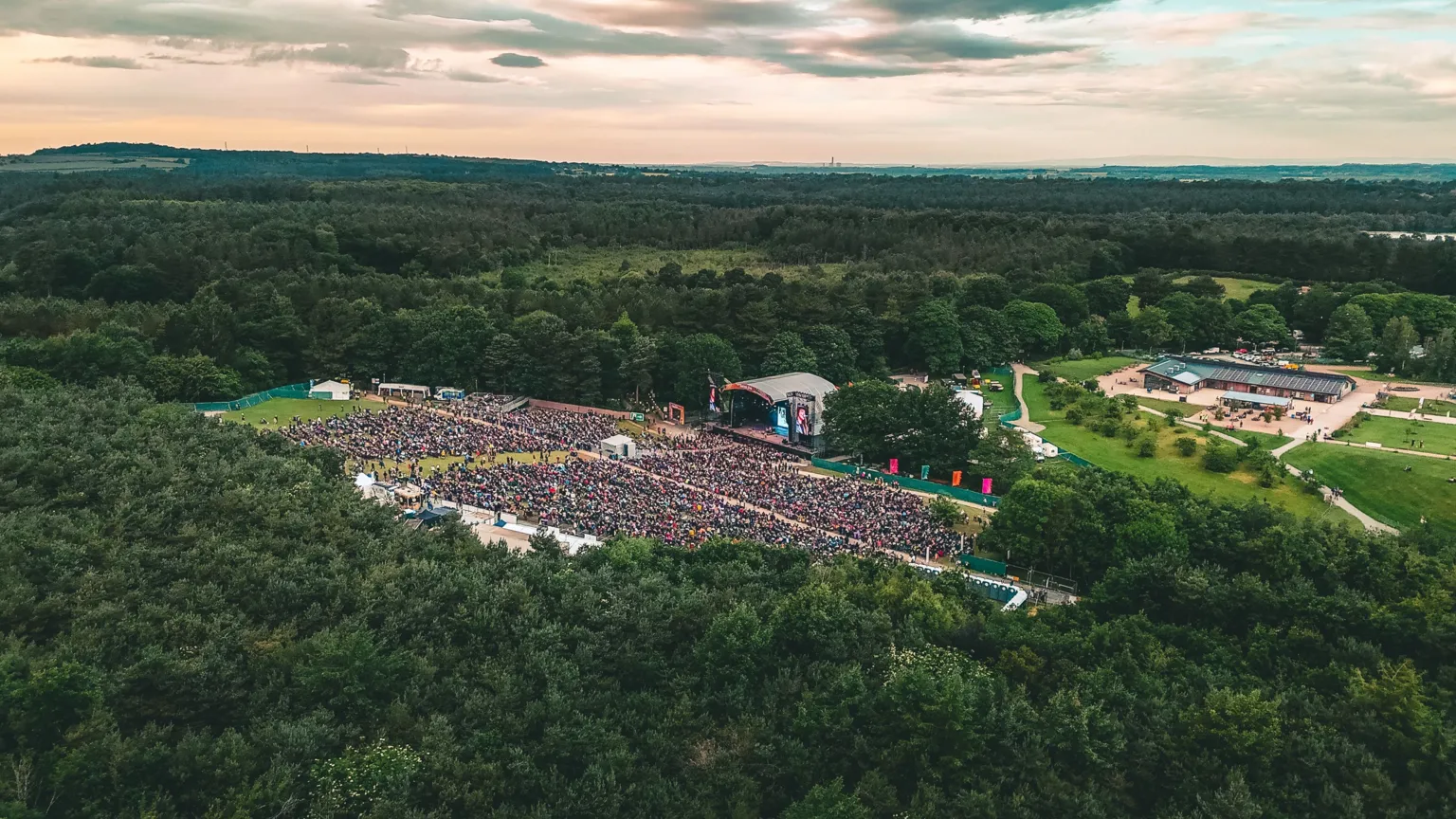
“Our sites are home to incredible wildlife and plant life and the concerts are presented to raise funds for the protection and conservation of the nation’s forests” said Rhodri Jones, Forestry England’s national events programme manager.
Since then, the organisation steadily expanded into other seasonal events like illuminated trails in partnership with RG live (a division of Sony Music).
On any given day, the Forestry commission handles everything from free forest walks, seasonal events that require capacity management during peak seasons, to sell out concerts.
As Forestry England balances its conservation roots with a diverse, year-round events programme, its technology has had to evolve just as quickly.
According to Hayley Skipper, Director of Operations for Commercial Visitor Development at Forestry England, technology plays an important role in shaping visitor experiences.
“These events help raise money to support our vital work growing the nation’s forests,” Skipper explained.
“Using the latest technologies to deliver the best possible customer experience is vital when people come to us to purchase tickets, as it is the start of what we hope will be a life-long customer journey with our nation’s forests.”
To meet these expectations, Forestry England recently went through a competitive tender process to find the technology that could catch up with the ambition.
The challenge set was finding a single system capable of serving all those needs without fragmenting the visitor experience.
After months of an open tender, the team chose Manchester based technology partner, Nuweb Group.
The contract was secured following a competitive open tender process, where Forestry England evaluated numerous providers.
Nuweb Group was chosen as the preferred provider backed by a track record of working with large organizations like the Royal Society for the Protection of Birds (RSPB) and Civil Service Sports Council (CSSC).
“We’re excited to support England’s green spaces once again. With innovative digital solutions, we can make it easier than ever for visitors to enjoy the nation’s natural beauty.” said Jose San Miguel, Managing Director Nuweb Group.
“We knew the core platform covered 90% of what they needed right out of the box, but we built the 10% where we made it fit perfectly.”
“Most tech companies won’t do it, because custom work is hard and doesn’t scale – but that’s exactly why it matters.”
For Forestry England this meant custom integrations – like Worldpay for government-approved payments and Protect Group for refund protection.
Forestry England have gone on their own journey, as custodian of landscapes to now also a curator of experiences.
That transformation has reshaped how they see their online experience – not as an operational necessity, but as the first step in building a lifelong connection with the nation’s forests.
Once you see it like that, the investment in the right technology becomes non-negotiable.
For Forestry England that hasn’t been about chasing the latest tech trend. It’s about ensuring that every interaction – whether it happens on a website or under a forest canopy – reflects the same care and attention that goes into managing the land itself.

Author: Sam Hyland
Sam is the assistant content manager for Event Industry News (EIN). Sam is involved in publishing news stories, videos and podcasts. Sam also collates the latest stories for the EIN e-newsletter. If you have a press release or story you think we might be interested to know about please email features@eventindustrynews.com