

Badge scanning still remains the stock option at countless events, yet its accuracy depends entirely on human effort; busy doors, distracted attendees and understaffed entrances all quietly erode the data. RFID solves some of that, but brings an infrastructure commitment that prices it out of most programmes. And even then it’s prone to error. For a significant proportion of the global events market, reliable session-level attendance data has remained frustratingly out of reach.
That is beginning to change.
The market is moving
In two short years Crowd Connected has become a leader in this new category, now deploying at two to three events globally every week. Its client base spans major event brands including Informa and Datos Insights through to corporate programmes for the likes of Trimble and Motorola. That breadth, from large-scale conference producers to in-house event teams, reflects how far the technology has moved from early-adopter territory into mainstream operational practice.
Three step, light touch hardware setup
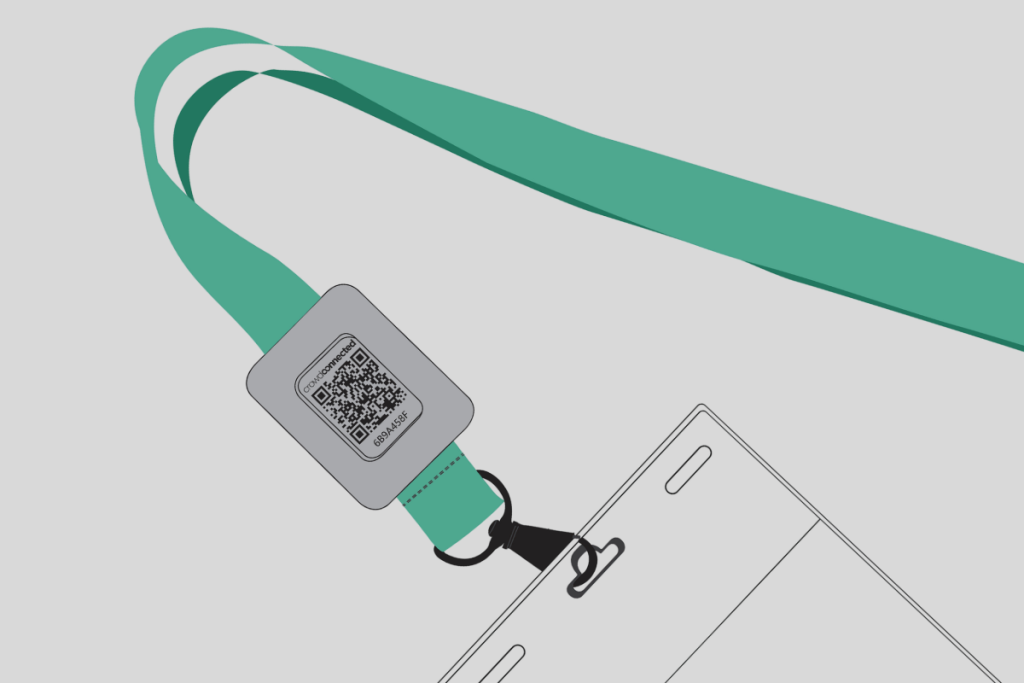
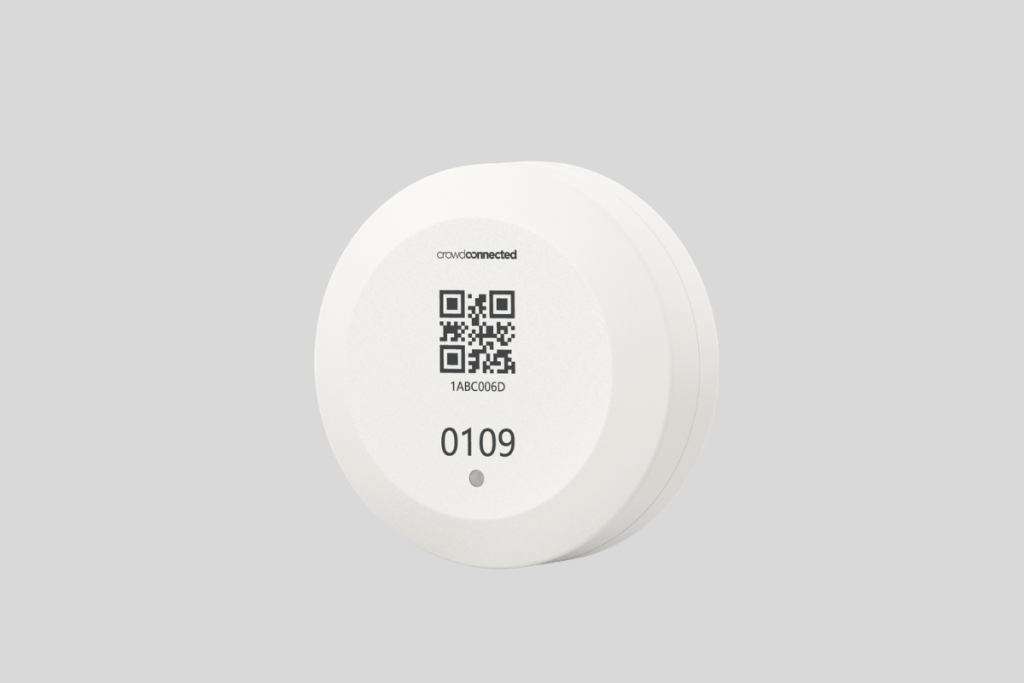
The platform reduces deployment to three steps: plug in a gateway device, apply self-adhesive beacons around the venue, and distribute a small tag that clips to the attendee lanyard. No app download, no active participation from attendees, no onsite calibration required on site. Plus the option to choose between our onsite technical manager or self service. Events routinely go from unboxing to live tracking in a matter of hours, the day before registration opens.
From headcount to behavioural intelligence
The more significant shift is in data quality. Continuous tracking generates a complete picture of attendee movement and engagement; which sessions were attended and for how long, where dwell time was highest, how density shifted across the day, and how traffic flowed between zones. A session that held its audience throughout tells a different story to one that saw significant midpoint attrition. Understanding which keynotes pulled attendees away from the exhibition floor, and precisely which attendee types. Or which networking spaces went underutilised, creates an evidence base for decisions that have previously relied on instinct.
For commercial stakeholders, verified zone-specific footfall data shifts the sponsor ROI conversation from estimated impressions to evidenced engagement, an increasingly consequential distinction as budget holders apply greater scrutiny to event spend.
Why it matters now
The hardware economics have shifted considerably. What once demanded significant capital investment is now accessible across a much wider range of budgets and formats. With no staffed scanning points to resource and no attendee behaviour to manage, the operational overhead is minimal and the margin for error substantially reduced.
The events industry has long championed data-driven decision making while working with attendance metrics that don’t always merit the confidence placed in them. Crowd Connected’s growing deployment rate suggests the industry is finding a solution that finally lives up to that ambition.
More information at crowdconnected.com
Contact details
Sponsored Content

Author: Tegan Double
Tegan Double is an Advertising Campaign Consultant at Event Industry News, working closely with brands and organisations across the events sector to create targeted, results-driven campaigns. Helping partners amplify their message, reach the right audiences, and tell compelling stories through industry-leading media and content.