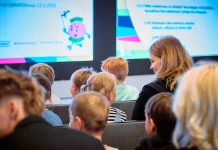


Live events are remembered through moments. A product reveal, opening keynote, lighting change, performer entrance, or final crowd shot can define how an audience recalls the experience. In the venue, those moments depend on staging, lighting, sound systems, and timing. Online, they also depend on the quality of recap videos, promotional reels, sponsor clips, and short social edits. This is where boom sound effects quietly shape how large and memorable an event feels. They help editors add scale, mark important visual moments, and preserve the energy of the event without making the final video feel artificial.
Event promos need a different audio approach from the live show
The live mix is built for people inside the room. A promotional edit is built for viewers who may be watching later on a phone, laptop, or large event screen. These audiences experience the same event differently, so the audio treatment also needs to change. Editors often use music, natural reactions, and carefully placed effects to make highlights feel structured rather than simply documented.
A collection of boom sound effects helps give important moments more physical presence in the edit. A wide shot of the venue, a stage reveal, or a dramatic lighting cue may need extra depth to translate outside the live environment. The aim is not to exaggerate the event, but to make the recorded version carry some of the scale that people felt in the room.
Low frequency sound gives major moments more presence
Boom sounds work best when they support moments that already have visual importance. A large LED wall switching on, a curtain lifting, a keynote speaker walking onto the stage, or a drone shot approaching the venue can all benefit from controlled low frequency weight. These sounds help the viewer feel that the sequence has moved into a more important stage.
This should still be handled with care. Event organisers also need to consider safe and appropriate sound levels in physical venues. The World Health Organization’s safe listening standard for venues and events is a useful reference point for thinking about audience experience, hearing protection, and responsible sound practice. In edited content, the same principle applies creatively. Impact should feel intentional, not excessive.
Smaller accents improve pacing throughout the edit
Boom sounds are not the only tools editors need. Many event videos also depend on smaller accents that clarify quick changes in the edit. A speaker name, sponsor logo, statistic, agenda transition, or award category may need definition without the weight of a larger cinematic sound. This is where hit sound effects work well alongside deeper booms.
The combination gives editors more control. Boom sounds can support large visual moments, while hit sounds can mark faster editorial details. A conference recap might use a boom for the opening venue reveal, then lighter hits for speaker titles and section changes. An awards video might use a deeper sound for the winner reveal, with smaller accents for category graphics and sponsor frames.
Different event formats benefit from different sound priorities
A trade exhibition, charity gala, fashion show, esports tournament, and corporate conference should not all sound the same. Trade show content often needs clean sound around product demonstrations, touchscreen interactions, and presentation graphics. Charity event films may need quieter support around interviews and audience reactions so the story remains clear and emotionally direct.
Fashion and entertainment events usually depend more on rhythm, movement, and visual texture. Camera flashes, runway walks, lighting changes, and crowd shots can support more stylised sound design. Sports and esports content may use stronger accents around score graphics, replays, and crowd reactions. The Health and Safety Executive’s event noise guidance is also a useful reminder that sound planning is part of responsible event production, not only a creative decision.
Sound helps strengthen event branding
Many organisers now produce content before, during, and after an event. Speaker announcements, countdown clips, daily recaps, sponsor features, and post-event highlights often form one wider campaign. A consistent audio palette helps those assets feel connected, even when they use different footage or formats.
This does not mean every video should use the same effect. A better approach is to use related sounds with different levels of intensity. A recurring low frequency cue might support major reveals, while lighter accents handle social edits and informational graphics. Over time, these choices help an event develop a recognisable production style.
Event storytelling extends beyond the venue
Modern events live beyond the date, location, and stage. They continue through recap films, social clips, sponsor content, and promotional trailers for the next edition. Sound design helps those materials feel polished while still reflecting the atmosphere of the live experience.
Boom sounds are easy to overlook because they often sit beneath the most visible parts of an edit. Used well, they give scale to the moments that matter most. Combined with sharper hit sounds, natural crowd audio, and clear music choices, they help event content feel more memorable without losing the authenticity of the original experience.
Sponsored Content

Author: Elouise Mugridge
Elouise Mugridge is Group Sales Manager at Event Industry News. With over 14 years’ experience spanning conferences, exhibitions, festivals, and corporate events, she helps brands connect with event professionals through strategic sales and marketing campaigns. Passionate about event technology and industry innovation, Elouise specialises in creating opportunities that raise visibility and build meaningful connections.